

Fairview School District
Pennsylvania, United States
Assessments, upgraded.
With iPad and Mac.
Students
Tucked along the shores of Lake Erie in northwestern Pennsylvania, Fairview School District serves around 2,000 students in a community that values educational excellence, even with limited resources. The district invested in digital assessments on iPad and Mac — and achieved exceptional test scores while continuing to see enrollment grow as families move to the district.
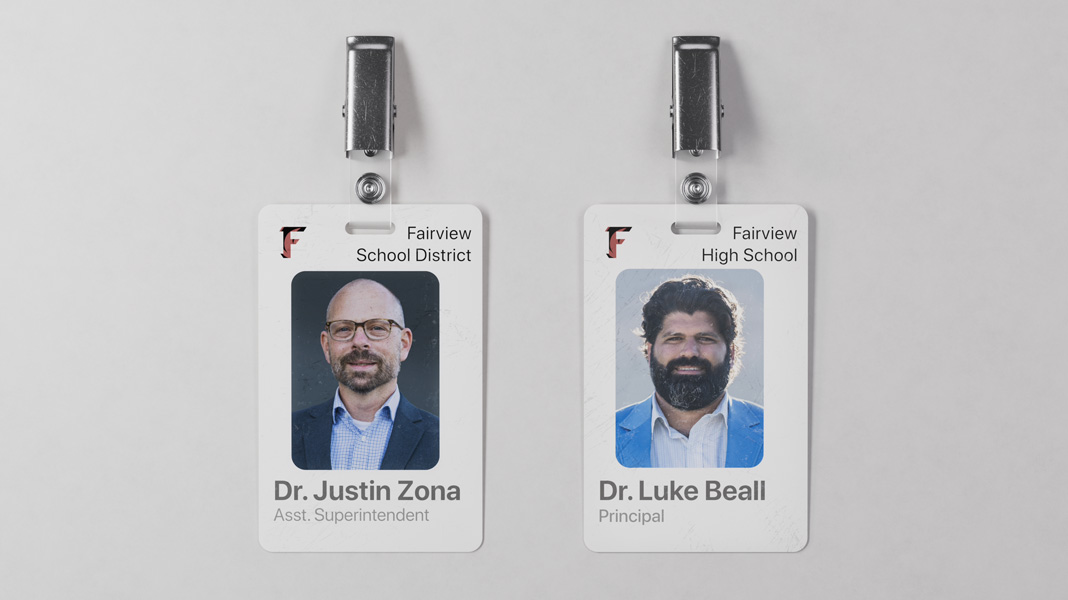
“We are a pretty normal district. We don’t get a lot of state money,“ says Dr. Justin Zona, Assistant to the Superintendent. “Anybody can do this, and it’s the right thing to do for the kids.”
In 2016, Pennsylvania announced that standardized testing would go digital. For Fairview, that meant funneling all students that participate in state assessments through a handful of computer labs — an impossible task. But the challenge became an opportunity. “It helped speed up our transition to 1:1 iPad across all grades,“ says Dr. Zona.
By 2018, every eligible student was taking standardized assessments digitally. But the real breakthrough wasn’t just the technology — it was equity.
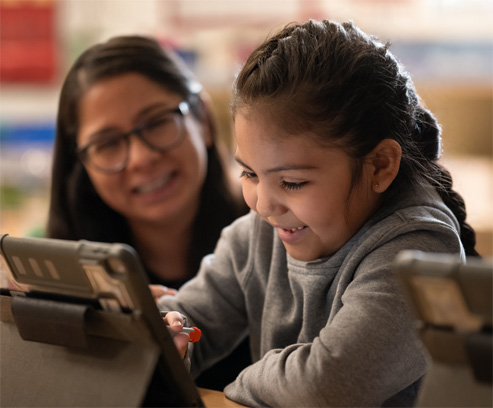
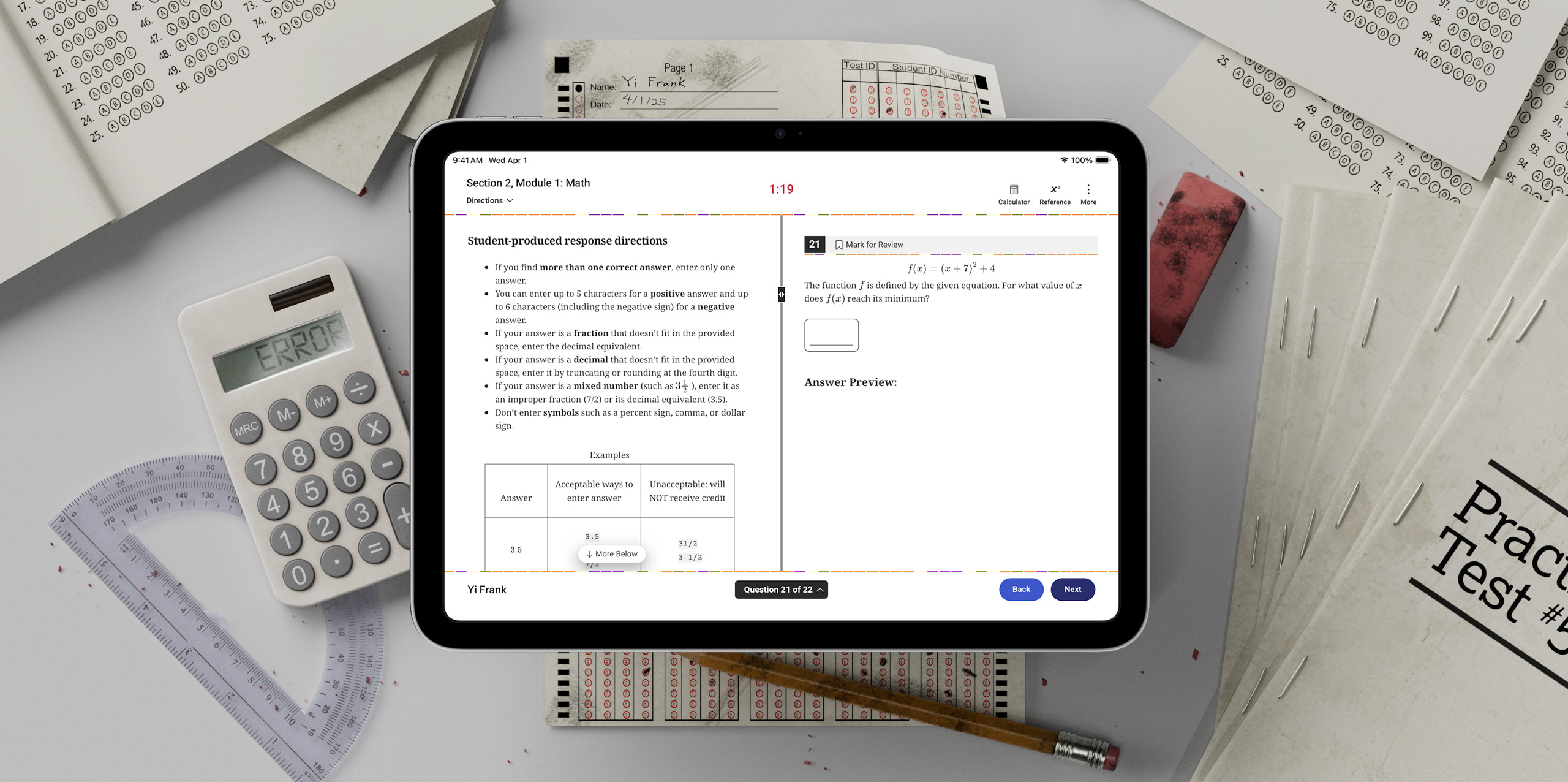
Fairview introduced digital assessments where the impact would be greatest: for students who require learning accommodations. Traditional testing often required these students to be pulled from class, have questions read aloud by a proctor, or skip certain items — leaving room for inconsistency and human error. Assessment Mode, a built-in feature that automatically locks iPad and Mac for secure testing, helps streamline the process.
The accessibility features on iPad are errorless. Combined with Assessment Mode, students get exactly what they need — no setup required. And they stay in their regular classroom, so they’re not pulled out or singled out.
“With a human proctor, there’s lots of room for error — which parts to read aloud, which to skip,” says Dr. Zona. With Assessment Mode, students with learning differences could take tests in their own classroom, at their own pace. Text could be enlarged. Questions could be spoken. Responses could be drawn, typed, or recorded. And because Assessment Mode is built into iPad, students use the same device for everyday learning and high-stakes testing — no need to switch devices or purchase separate equipment.
-
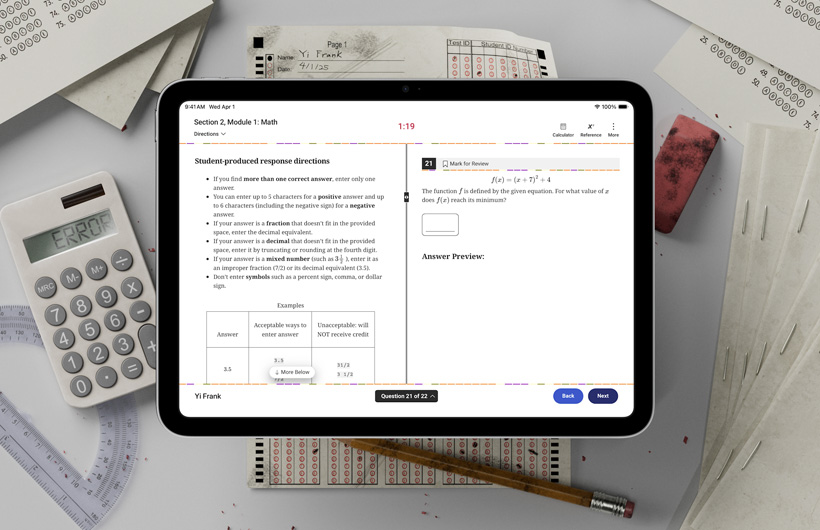
With digital exams on iPad, teachers can monitor students’ progress in real time, lock them into specific applications, and more. -
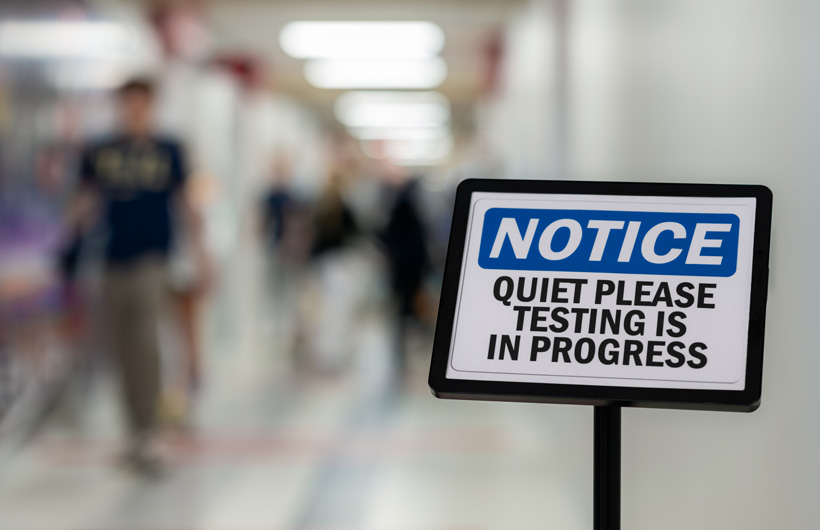
Students with learning differences now receive a more equitable test-taking experience with iPad — without needing to be pulled from class. -

Since deploying iPad, the student population has grown about 30% as more families choose Fairview School District.
What started as a solution for some students quickly became a benefit for all students. Staying in their own classroom reduced anxiety and helped students perform their best. Teachers no longer had to count, distribute, and collect hundreds of test booklets. The entire process became cleaner, faster, and more focused on student learning. There were skeptics who feared test scores would drop. They didn’t.
Our test scores went up after we moved to digital assessment. We now rank among the state’s top-performing districts. I attribute that to higher engagement.
That engagement doesn’t just show up on test day — it transforms learning every day. For formative assessments, students record video explanations, annotate diagrams, or collaborate on interactive problem sets instead of filling in bubbles.
Teachers use Apple Classroom, an app for iPad and Mac, to monitor assessments in real time and adjust instruction on the fly, pausing to work through a challenging concept when they notice students struggling. They assess more effectively and provide feedback faster — exactly what they’d been asking for.
The shift wasn’t just an administrative decision — it was driven by teachers themselves. “The biggest call for needing digital assessments is because our teachers want that feedback,“ says Dr. Luke Beall, Principal at Fairview High School. “Teachers want the ability to give students feedback quickly and efficiently, and digital assessments allow them to do that.”
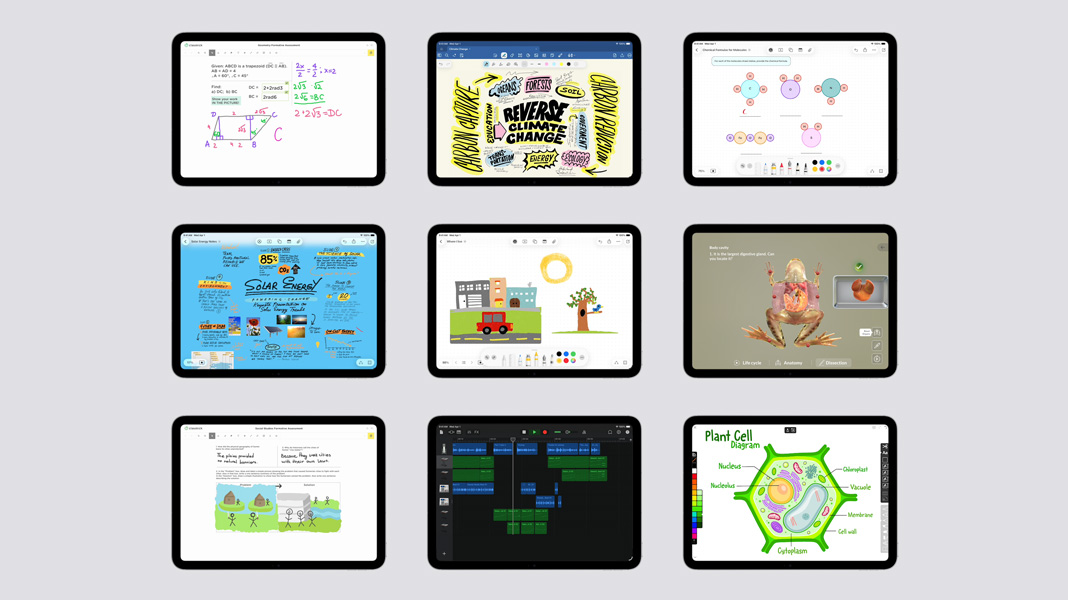
Since deploying iPad in 2015, Fairview’s enrollment has grown from 1,500 students to nearly 2,000. District leaders draw a direct line between this growth and what digital learning makes possible: more equitable assessments, more responsive teaching, and more ways for every student to demonstrate what they know.
As digital assessments become the norm worldwide, Fairview’s story offers a roadmap: start with equity, empower teachers with the right tools, and trust students to rise to the challenge. When you remove barriers and meet students where they are, they excel.